Avoid having a delivery driver insurance claim denied. Learn why personal auto won’t cover Instacart, DoorDash, or Uber Eats drivers in Virginia.
Nothing is more frustrating than having a delivery driver insurance claim denied, yet it happens every single day. Drivers for Instacart, DoorDash, Uber Eats, and other gig apps hit the road thinking their personal auto insurance has them covered. But when an accident occurs during a delivery, most personal policies exclude that coverage completely.
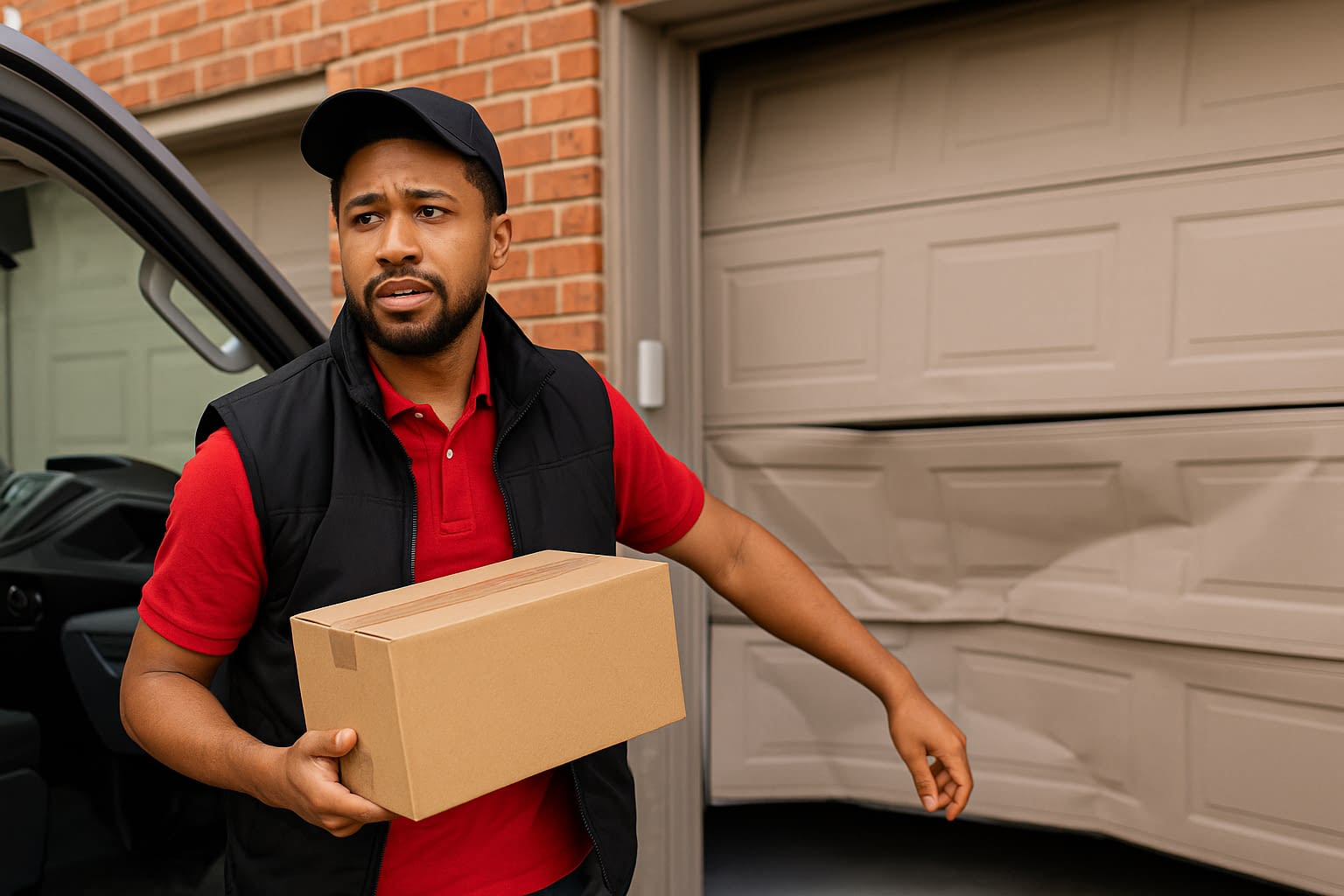
Here’s one real story: A driver delivering groceries in Richmond, Virginia, accidentally backed into a customer’s garage door, causing major damage. Both the driver and the homeowner filed claims, but the insurer denied them because the driver was using his personal vehicle for business purposes at the time.
This is the reality gig drivers face. With the surge in food and grocery delivery apps, more Virginians are finding out too late that their personal policies don’t protect them on the job. In this article, we’ll explain why claims get denied, what coverage you actually need as a delivery driver, and how to avoid being left with the bill.
The Garage Door Claim
One of the clearest examples of a delivery driver insurance claim being denied happened right here in Richmond. A driver working for Instacart was dropping off groceries when he accidentally damaged a homeowner’s garage door.
Naturally, he assumed his personal auto insurance would cover the accident. But when both he and the homeowner filed claims, the insurance company denied them. Why? Because personal auto policies usually have exclusions for “business use”. In plain terms: if you’re driving for hire or making deliveries, your personal coverage doesn’t apply.
What felt like a routine claim quickly turned into a financial nightmare. The driver was left responsible for costly repairs; money that could have easily wiped out months of earnings from deliveries.
This isn’t an isolated story. From property damage to fender benders to major accidents, many delivery drivers only discover this coverage gap after the fact, when it’s already too late.
Why Personal Auto Doesn’t Cover Deliveries
The number one reason delivery drivers end up with a claim denied is simple: personal auto policies are not designed for business use. When you sign up with Instacart, DoorDash, Uber Eats, or similar services, you’ve shifted from “personal driving” to “commercial activity.”
Here’s the breakdown:
- Personal auto insurance covers you for everyday use, commuting to work, running errands, and family trips.
- Delivery driving falls under business use because you’re transporting goods for compensation.
- Most personal policies have explicit exclusions that say accidents while “driving for hire” or “making deliveries” are not covered.
Even if the accident looks like any other fender bender, insurers treat it differently once they learn it happened during a paid delivery. That’s why the claim gets denied, leaving the driver with the repair bills, or worse, liability for injuries or property damage.
Some gig platforms do offer limited coverage, but it often kicks in only under certain conditions, like after you’ve accepted an order and while actively making a delivery. And in many cases, that coverage is secondary, meaning your personal insurance is expected to pay first. If your policy excludes it, you’re stuck in the middle.
This is the hidden gap that so many gig workers don’t realize exists, until they hear those dreaded words: “Claim denied.”
The Real Cost of Driving Without Coverage
The financial impact of having a delivery driver insurance claim denied can be huge. For many gig workers, delivery driving is a side hustle meant to bring in extra income, but one uncovered accident can erase those earnings in an instant.
Think about the risks:
- Property damage: Hitting a customer’s garage door, mailbox, or parked car could cost thousands.
- Injuries: If someone gets hurt in the accident, medical bills and legal fees skyrocket fast.
- Vehicle repairs: Without coverage, you’re on the hook for fixing your own car, too.
Even a small incident can be financially devastating. Imagine making $800 a month delivering for Instacart, and suddenly you’re responsible for a $6,000 repair bill. That’s nearly an entire year’s worth of earnings wiped out from one accident.
And the stakes get higher if another person is injured. Without the right coverage, lawsuits and liability costs can spiral into tens of thousands of dollars…or more.
The bottom line? The cost of skipping proper coverage is far greater than the price of getting the right policy in place.
The Right Coverage for Gig Drivers
The best way to avoid a delivery driver insurance claim being denied is to have the right coverage in place before you hit the road. For most drivers, that means moving beyond a standard personal auto policy.
Here are the most common options:
- Commercial Auto Insurance: Designed for vehicles used in business, covering accidents, property damage, and liability when driving for hire or making deliveries.
- Rideshare/Delivery Endorsements: Some insurers offer add-ons to personal auto policies that cover food and grocery delivery. These endorsements fill the gap.
- Platform Coverage (Limited): Companies like DoorDash and Uber Eats sometimes provide partial coverage, but it’s often secondary or limited to certain stages of the delivery.
When reviewing your options, think about more than just your vehicle. What would happen if you injured someone during a delivery and got sued? Without the right policy, your personal assets could be at risk.
Drivers who treat their side gig like a real business, and get coverage to match, avoid the shock of having a claim denied when they need it most.
Protect Yourself Before It’s Too Late
The lesson is clear: having a delivery driver insurance claim denied can turn a quick side hustle into a serious financial setback. Personal auto insurance simply doesn’t cover you when you’re delivering for Instacart, DoorDash, Uber Eats, or any other gig platform. Without the right policy, one accident could leave you paying for damages, repairs, or even lawsuits entirely out of pocket.
Don’t wait until you hear the words “claim denied.” Make sure you have the coverage that matches how you actually use your vehicle. Learn more about your options and get started today.
